


Much more than a trend to soothe one's conscience, the zero-waste approach is a true daily lifestyle. "Plastic has flooded our lives: it can be found in product packaging, cosmetic ingredients, clothing textiles, or building materials. More broadly, our 'throwaway society' is marked by single-use items and planned obsolescence. An ecological absurdity encouraged by consumer society. On a daily basis, at our level, we can start changing our habits now to reduce plastic consumption and seek alternatives" - Greenpeace.
What is the zero-waste approach?
The zero-waste approach aims to reduce consumption in general, but more specifically the consumption of non-recyclable materials.
It is a set of practices that also aims to reduce the use of single-use products and services to lower your lifestyle's carbon footprint.
The zero-waste trend can be summarized by the "5 Rs":
-
Refuse goodies, samples, receipts... Anything offered to you for free that you don't need.
-
Reduce purchases, especially those with non-recyclable packaging. Bulk buying and using jars are therefore recommended practices.
-
Reuse by prioritizing reusable products (paper towels, tissues, water bottles...) over disposable single-use products.
-
Rot (return to earth) by composting and sorting organic waste, for example. It is essential to promote the protection of ecosystems to enrich our soils.
-
Recycle waste that you could not avoid.

Where to start with zero waste?
While it's clear that the environment requires our full attention, few people take the plunge into a more responsible lifestyle. Yet, it's quite simple, thanks to new brands and mission-driven companies, to find suitable products. It's clear that you need to set reasonable and achievable zero-waste goals so as not to get discouraged.
The goal is to progress gradually so it doesn't seem unfeasible.
Simple tips for a more zero-waste daily life
1/ Reuse jars for your picnics
It's super simple and multi-functional depending on their size. Remove labels and sterilize your jars to give them a second life. Then, let your imagination run wild for your picnics or aperitifs at the beach: verrines, tapenades, crudités.
A little extra: since they are airtight, you can easily close them and take them with you.
 |
 |
2/ Buy in bulk as much as possible to limit overpackaging
Support bulk grocery stores and small local businesses. Organic products are often cheaper in bulk, and this allows you to choose the quantity you really need.
3/ Extend the lifespan of your objects
It's hard to make objects last in the era of planned obsolescence and overconsumption. Nevertheless, before throwing away and replacing, see if it's possible to repair, mend, or touch up. Get help from a professional if needed.
4/ Prioritize second-hand
Second-hand is a good way to save money. The best approach is to ask yourself if you really need it. This kind of reflex will prevent fueling phenomena like fast fashion. For buying digital devices, refurbished is a good solution, it will limit digital pollution. Finally, it's now extremely easy to find very trendy and inexpensive second-hand clothes on online platforms like Vinted, but also at flea markets or in vintage thrift stores.
Zero-waste accessories
The most used accessory by zero-waste enthusiasts is, of course, the reusable water bottle. Plastic water bottles are responsible for a large part of plastic pollution, especially in the oceans. If you add the packaging from the multipacks and the shopping bag you put it in, you quickly realize that this is the biggest problem to solve.
1/ The insulated water bottle
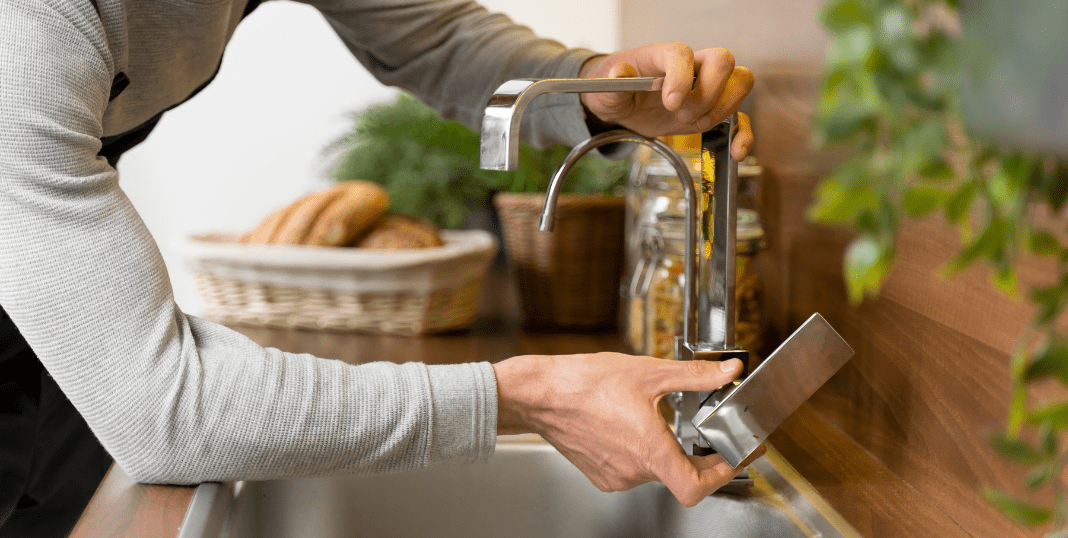
The water bottle is the accessory you need. In most cases, tap water is perfectly safe and drinkable. It is therefore recommended to use a reusable water bottle that you fill yourself, rather than plastic water bottles that will pollute unnecessarily.
You can find a perfect stainless steel water bottle to fulfill this role and take the first step in your zero-waste journey by following this link.

2/ Make-up remover pads and rounds
No more using industrial and polluting disposable cotton pads. Even though cotton is a natural material, it is not an ecological one. Its energy-intensive exploitation is one of the most polluting on the planet.
Here are some explanations:
-
75% of global cotton production uses pesticides.
-
Cotton is often bleached with chlorine or heavy metals, such as lead and chromium.
-
The production of a single kilogram of cotton requires up to 20,000 liters of water!
Considering that an average French woman uses 6 disposable cotton pads daily for her make-up removal, this represents more than 160,000 cotton pads in her lifetime.
You need to switch to the reusable model to reduce your almost daily consumption of these make-up remover pads.
Make-up remover pads and rounds, often made from organic and ethical cotton, are perfect for reducing your consumption.
3/ The organic linen shopping bag
Reducing plastic waste means reducing the purchase of shopping bags. By opting for a reusable and sturdy bag like the organic linen shopping bag, you will not only be able to reduce your plastic consumption but also reduce your bag purchases (and thus the amount on your receipt).
4/ The bamboo toothbrush
The bamboo toothbrush is an alternative to the classic plastic toothbrush.
Each year, nearly 5 billion plastic toothbrushes are thrown away worldwide. Due to their small size, toothbrushes are not recycled... and end up in our landfills, or worse, in our oceans. A toothbrush takes about 500 years to degrade.
Bamboo toothbrushes are fully compostable and recyclable. Cap Bambou toothbrushes are made from bamboo that does not promote deforestation, and the forests are managed responsibly.
5/ Eco-friendly menstrual products
On average, a woman uses between 10,000 and 15,000 menstrual products in her lifetime, generating 45 billion pieces of waste per year.
Menstrual products are regularly subject to controversy regarding their health risks. For several years, the emergence of reusable and ecological alternatives has allowed women to reduce their ecological impact and preserve their health.
You can choose washable sanitary pads, a menstrual cup, or menstrual underwear. It's up to you to find the protection that suits you best.
The zero-waste approach can be accompanied by many other accessories that you will discover over time.
The advantages of the zero-waste approach
It's quite simple to list (non-exhaustively) all the advantages of adopting this zero-waste lifestyle:
-
Ecological and in line with today's challenges.
-
Economical, as there's no need to constantly buy new products.
-
Healthy for your body in the case of cosmetics. "Zero waste often invites us to return to raw, minimally processed products, or to simpler compositions. This is especially true in the bathroom and for cleaning products, and you can even make some products yourself. This also applies to food. By avoiding packaging, we also reduce our exposure to plastics. In short, we know better what we put inside ourselves, on ourselves, and around ourselves." - Zéro Waste Paris
-
Practical, because everything is reusable, so no need to spend your Saturday in shopping centers anymore.
To go further in zero waste, discover how to easily save water .

Leave a comment
All comments are moderated before being published.
This site is protected by hCaptcha and the hCaptcha Privacy Policy and Terms of Service apply.